What is EURL POPs?

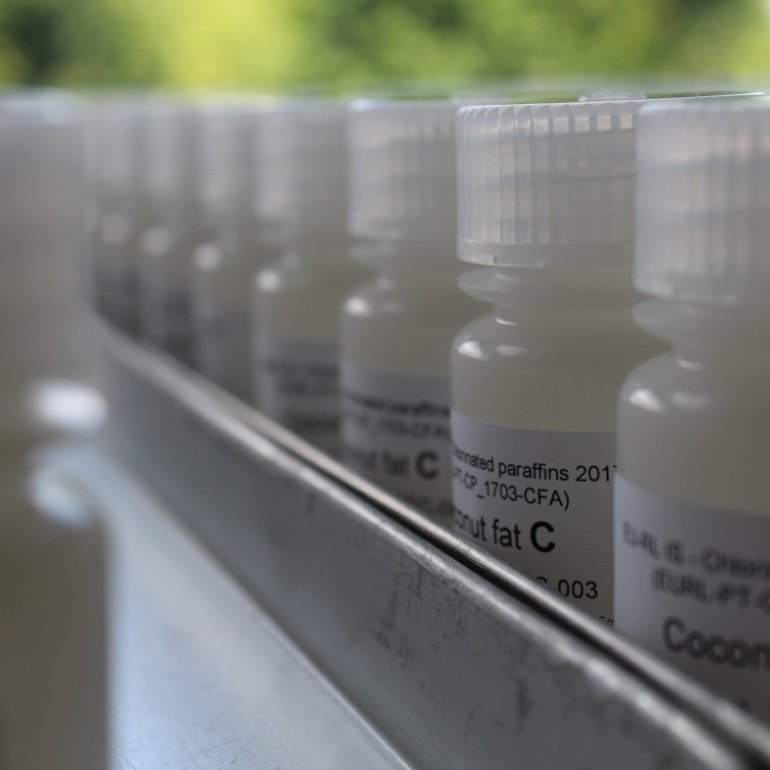
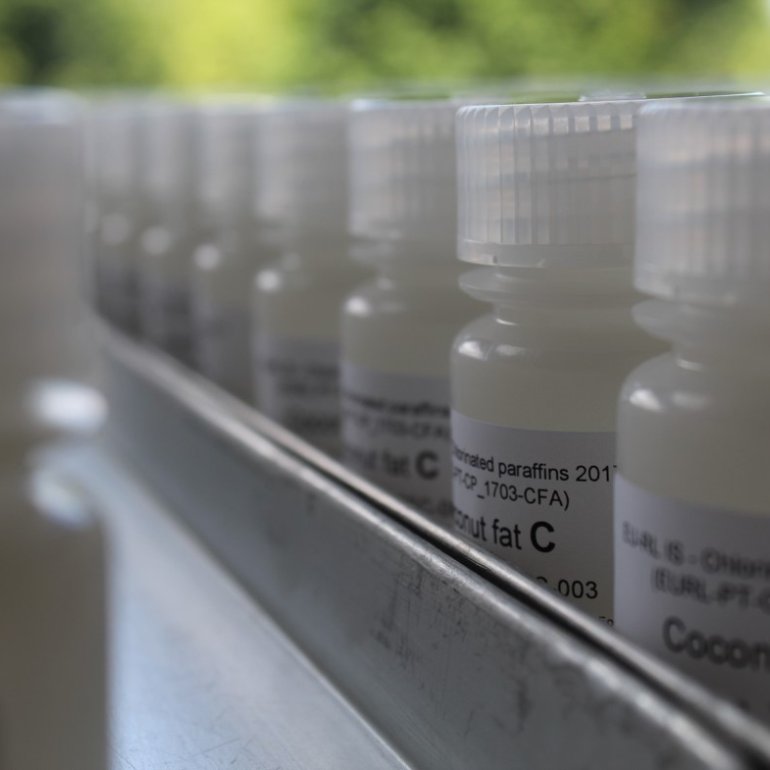
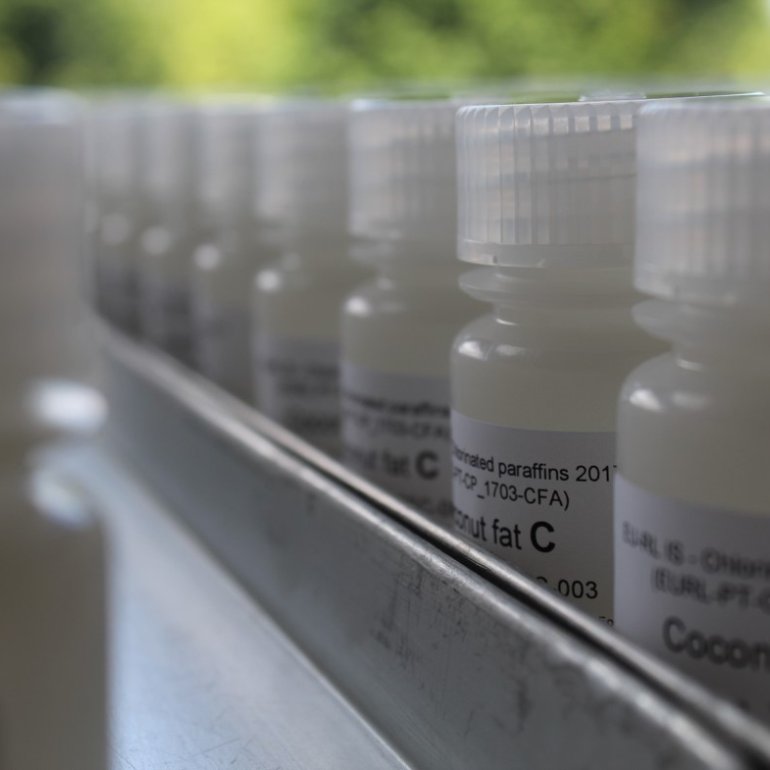
The scope of the European Union Reference Laboratory for Halogenated Persistent Organic Pollutants in Feed and Food (EURL POPs) includes, since it was appointed to an extended scope in 2018, halogenated POPs such as PCDD/Fs, PCBs, brominated flame retardants and contaminants, PFAS, chlorinated paraffins and PCNs in both feed and food. As such, it is one of 25 EURLs in the field of feed and food control appointed by the European Commission.

What is EURL POPs?
What is EURL POPs?
What is EURL POPs?

Newsfeed

14.01.2026

This proficiency test (PT) on the determination of PCDD/Fs, PCBs, PBDEs and HBCDDs in Olive Oil is organized by the EURL for halogenated POPs in Feed and Food to be performed between February and April 2026. The objective is to assess analytical performance of laboratories and inter-laboratory comparability of results from analyses of PCDD/Fs, PCBs, PBDEs and HBCDDs in one sample of live Oil. National Reference Laboratories (NRLs) for halogenated POPs in Feed and Food from EU member states are requested to participate as part of their work programme for 2026. NRLs are invited to encourage the participation of Official Laboratories (OFLs) from their member states as part of their duties following Article 101 of regulation (EU) 2017/625 of the European Parliament and of the Council of 15 March 2017. Furthermore, participation of OFLs will allow the extension of the data basis for calculation of assigned values and evaluation of results. Official laboratories and commercial laboratories performing the analysis of samples taken by food business operators are invited to participate in this interlaboratory study. First results will be discussed by representatives of European Commission, NRLs and the EURL at the EURL/NRL online workshop in May 2026.

30.12.2025

This document on criteria for extraction procedures and confirmation of results for the analysis of PCDD/Fs and PCBs in feed was developed within the network of the European Union Reference Laboratory (EURL) for halogenated POPs in Feed and Food and the respective National Reference Laboratories (NRLs) of EU member states. The guidance in this document is intended for laboratories involved in the official control of PCDD/Fs and PCBs in feed including laboratories performing control for feed business operators and focuses on criteria for extraction procedures and confirmation of results for determination of PCDD/Fs and PCBs in feed.

15.12.2025

This guidance document describing the determination of polychlorinated naphthalenes (PCNs), is intended for laboratories involved in the official control of contaminants in food and feed and focuses on the practical determination of PCNs. It was developed by a working group within the network of the European Union Reference Laboratory (EURL) for halogenated POPs in Feed and Food, the respective National Reference Laboratories (NRLs) of EU member states and international experts in the analysis of persistent organic pollutants (POPs).

Interlaboratory studies and proficiency tests

The EURL provides proficiency testing for its main target analytes once a year in feed and food samples for the national reference laboratories of EU member states free of charge according to Regulation (EU) 2017/625 of the European Parliament and of the Council. Other national reference laboratories, official control laboratories and commercial laboratories, performing analysis of samples taken by food or feed business operators, may participate for a fee.

PCDD/Fs, PCBs, PBDEs, HBCDDs

Proficiency test on PCDD/Fs, PCBs, PBDEs and/or HBCDDs

PFAS

Proficiency tests on per- and polyfluorinated alkyl substances

CPs

Proficiency tests on short- and medium-chained chlorinated paraffins

PCNs

Interlaboratory studies on polychlorinated naphthalenes

BCons

Interlaboratory studies on emerging and novel brominated contaminants

Working Groups and cooperations

The agenda of the CWG meetings includes several aspects regarding analytical methodologies, practical issues for laboratories to set up methods, proposals for analytical criteria and European Commission requests.

CWG CPs

  • established in 2016
  • outcome: Guidance Document on the Analysis of Chlorinated Paraffins, Joint paper on analytical conundrums

CWG BCon and PCNs

  • established in 2018
  • outcome: Guidance Documents on Analytical Parameters for the Determination of Organobromine Contaminants

CWG PFAS

  • established in 2018
  • outcome: Guidance Document on Analytical Parameters for the Determination of Per- and Polyfluoroalkyl substances

closed CWGs

  • Active 2012-2019
  • Topics: measurement uncertainty, analytical criteria for bioassays, MS techniques, congener patterns of PCDD/Fs and PCBs

Cooperations

  • Current and future international cooperations,
  • Outcome: furthering the science in fields related to EURL POPs’ scope

National Reference Laboratories across the EU

The national authorities of each of the 27 member states of the European Union declare National Reference Laboratories working in the scope of their respective EURL. The current addresses and contact data for the NRLs for halogenated POPs in feed and food can be found here.

Contact us

What is EURL POPs? 2

The scope of the European Union Reference Laboratory for Halogenated Persistent Organic Pollutants in Feed and Food (EURL POPs) includes, since it was appointed to an extended scope in 2018, halogenated POPs such as PCDD/Fs, PCBs, brominated flame retardants and contaminants, PFAS, chlorinated paraffins and PCNs in both feed and food. As such, it is one of 25 EURLs in the field of feed and food control appointed by the European Commission.

What is EURL POPs? 2